Shinkenchiku Competition
DESCRIPTION OF THE PROJECT
Residential Design Competition SHINKENCHIKU
Planted City
A non-Suburbia
We could not think of a “green city” without considering the proven failures of American Suburbia. This housing array has proven ineffective in terms of energy consumption and is simply unsustainable for the planet’s sustainable growth. Suburbia requires a lot of energy and is a useless, linear consumer organization.
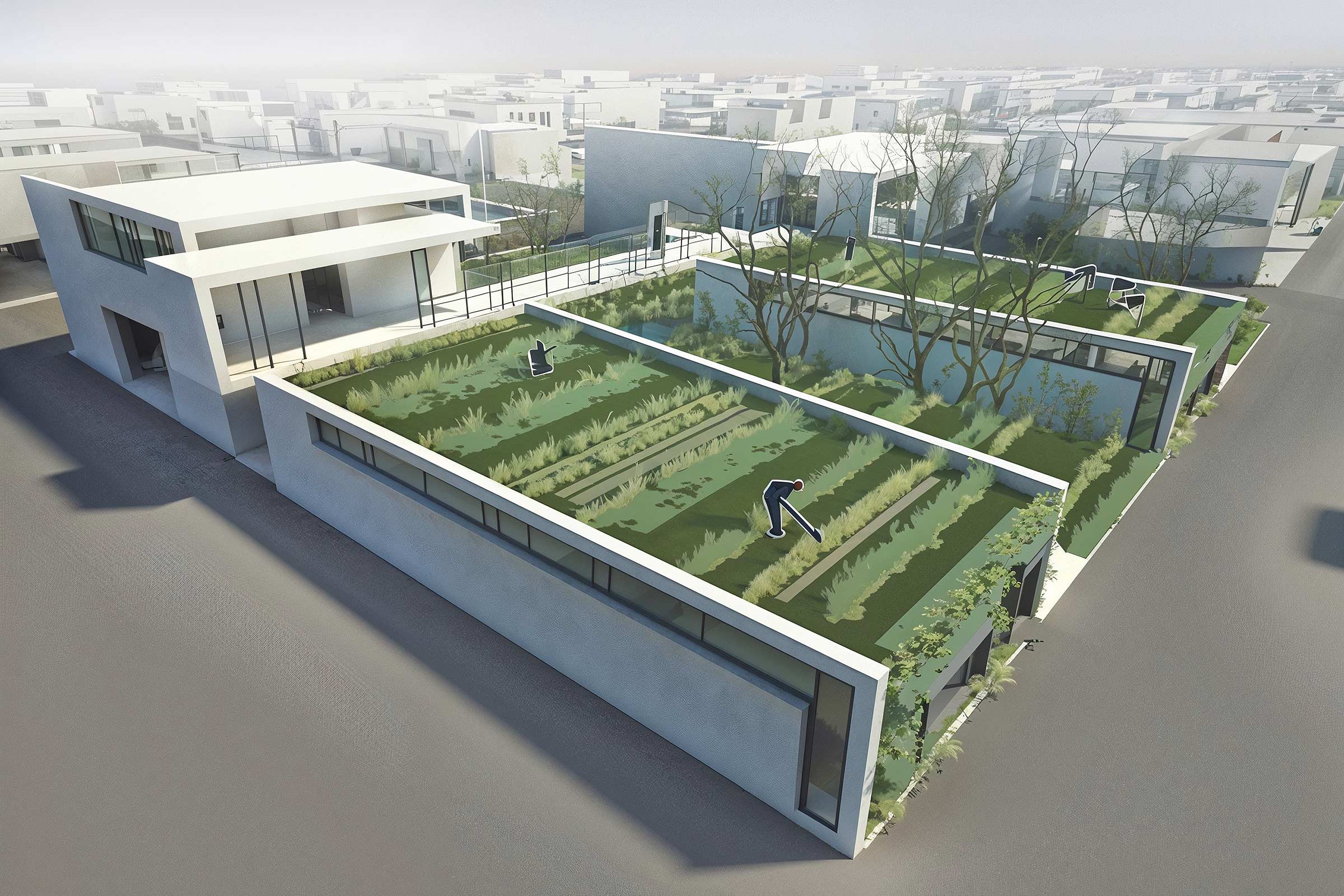
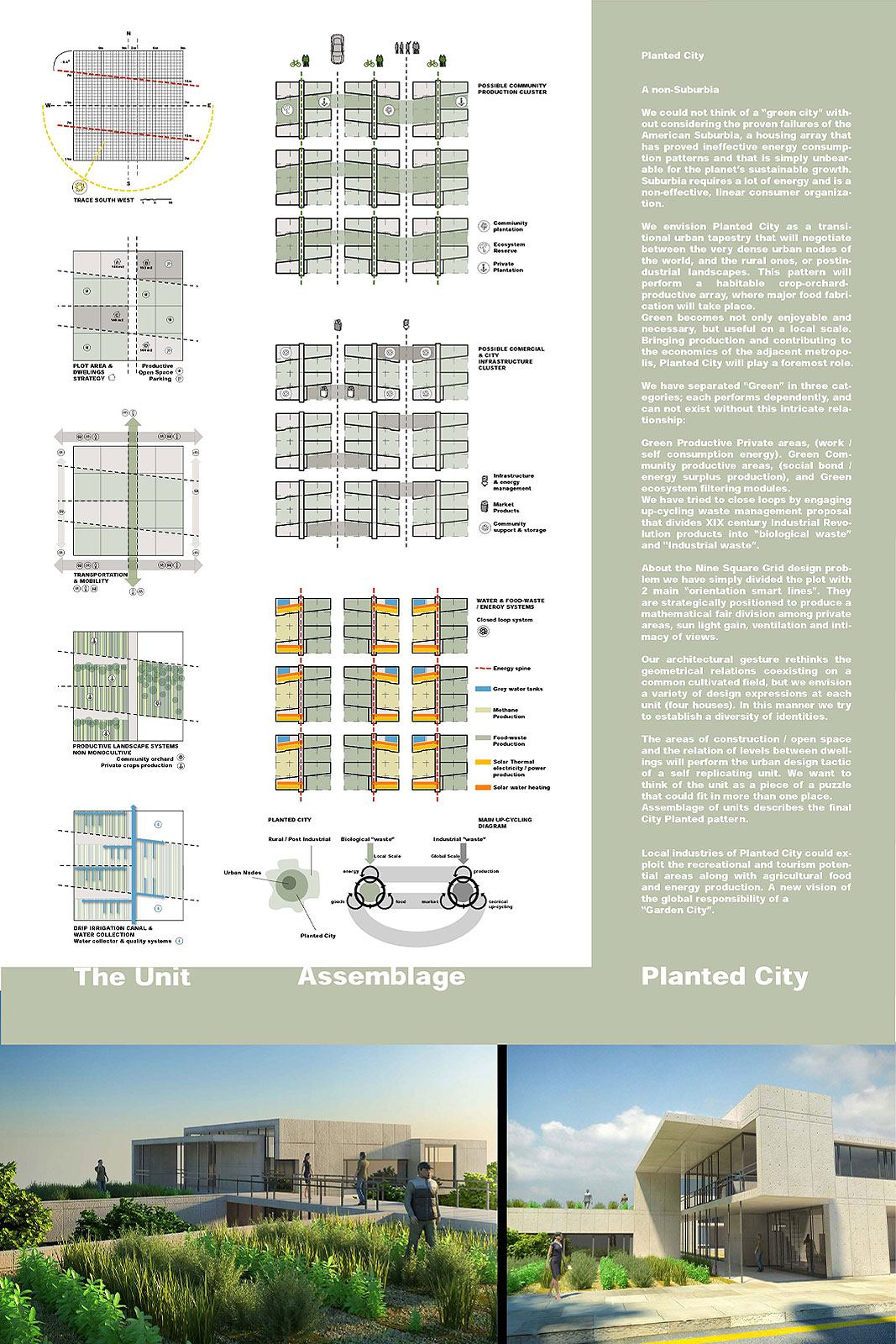
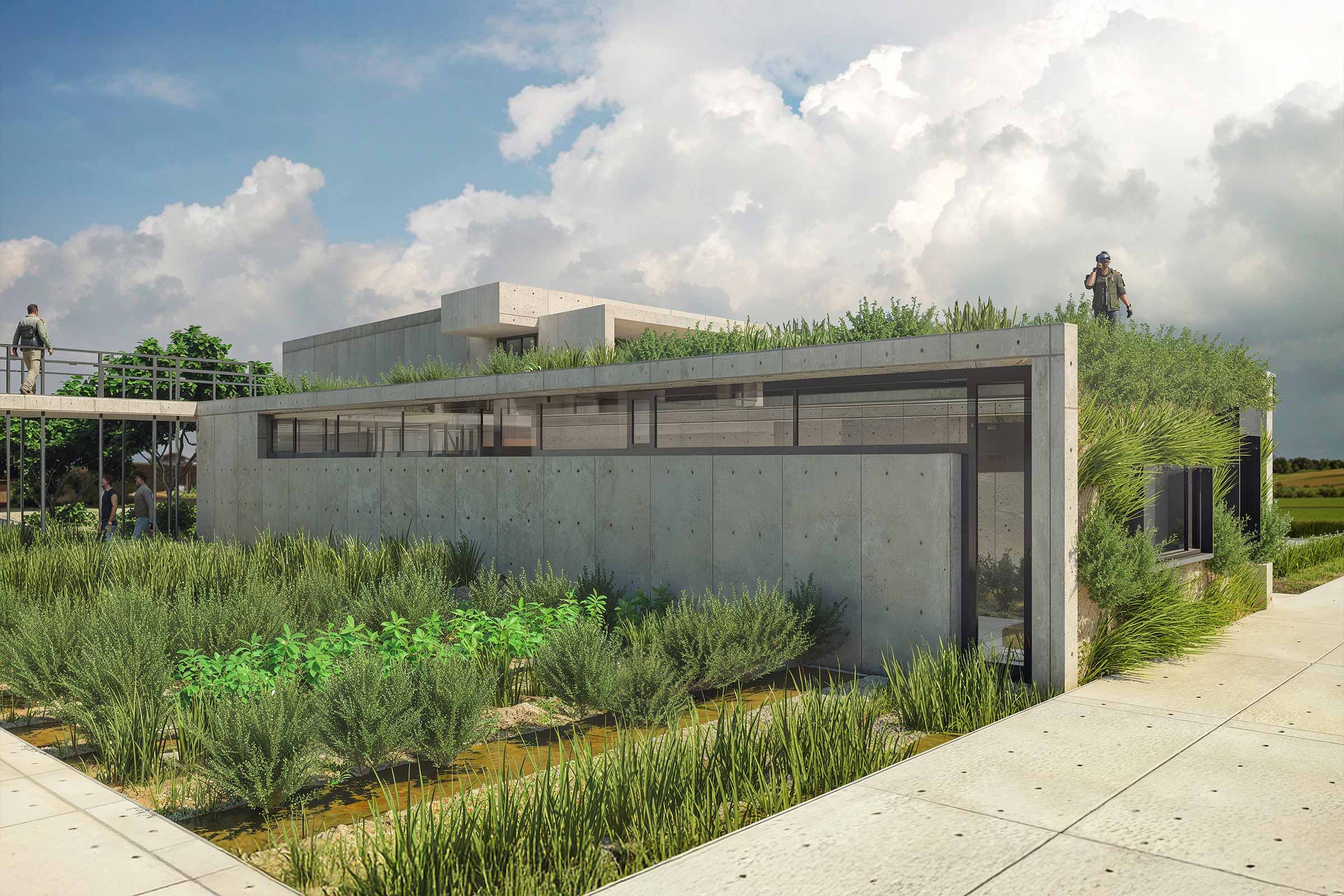
We envision PlantedCity as a transitional urban tapestry that will negotiate between the world’s dense urban nodes and rural or post-industrial landscapes. This pattern will create a habitable, crop-orchard-productive array where primary food production will occur.
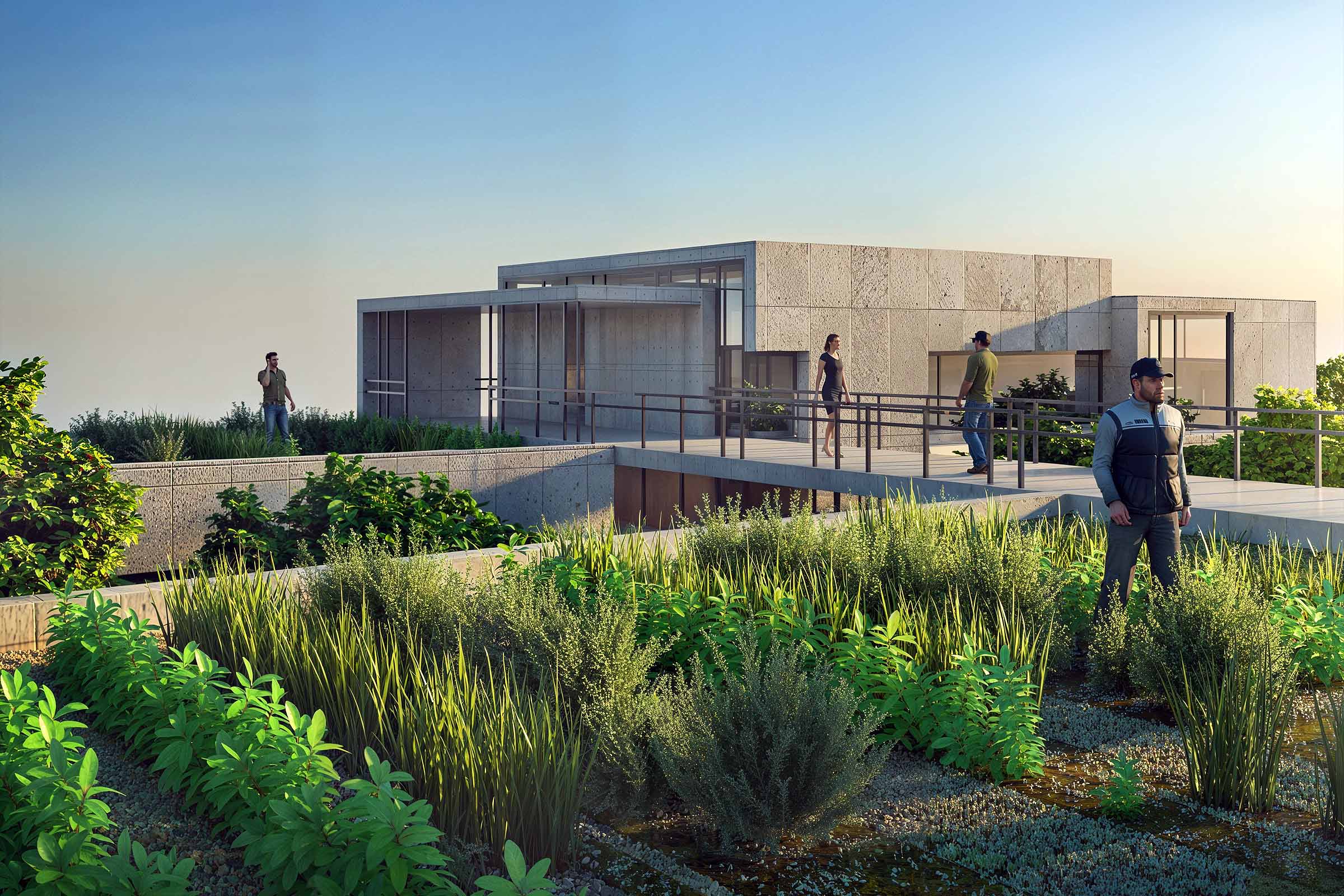
Green becomes not only enjoyable and necessary but also helpful on a local scale. PlantedCity will play a leading role in bringing production to the adjacent metropolis and contributing to its economy.
We have separated “Green” into three categories; each performs dependently and can not exist without this intricate relationship:
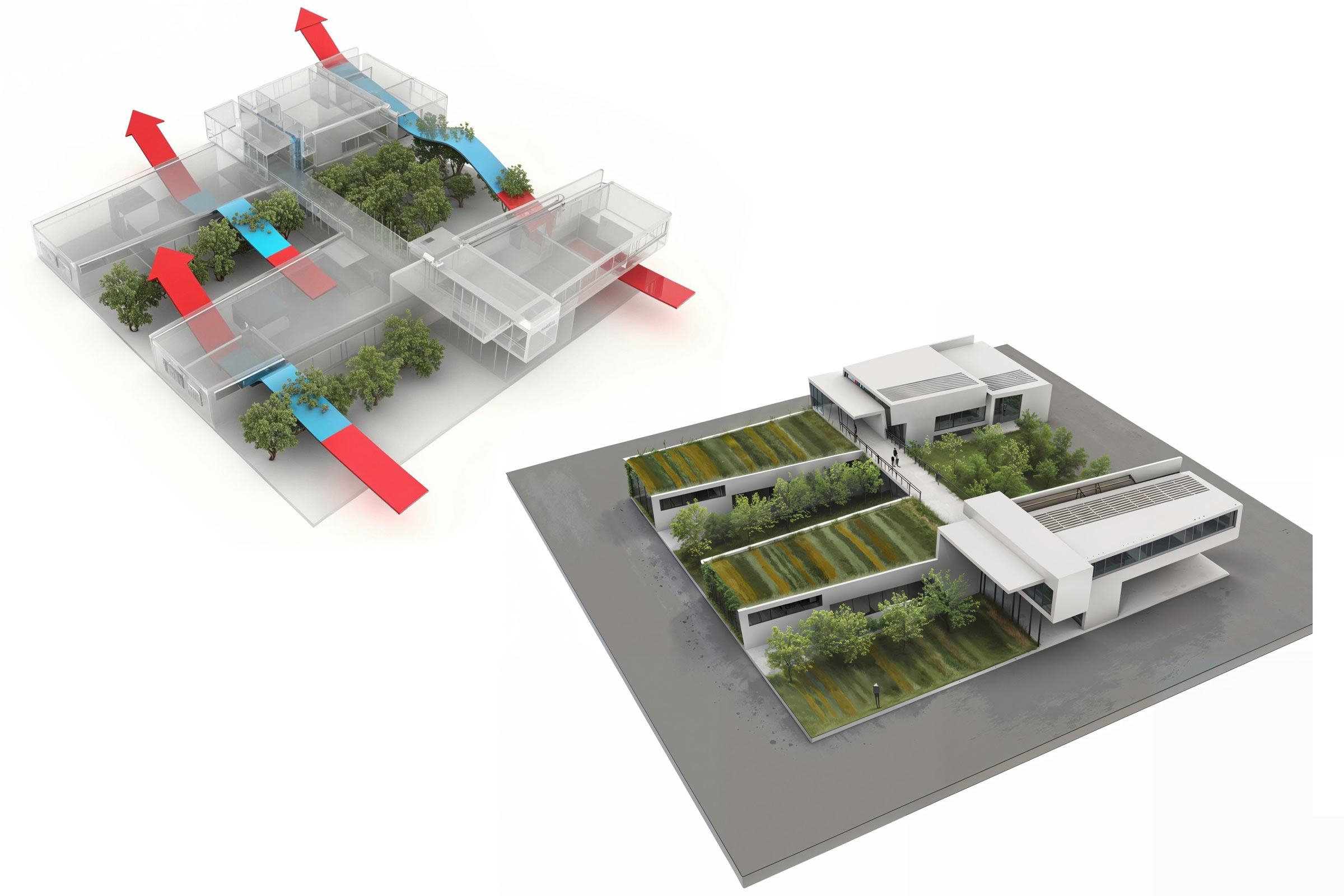
Green Productive Private areas (work/self-consumption energy). Green Community productive areas (social bond/energy surplus production), and Green ecosystem filtering modules. We have tried to close the loop by proposing an upcycling waste management approach that categorizes XIX-century Industrial Revolution products as “biological waste” and “Industrial waste.” About the Nine Square Grid design problem, we have divided the plot into two main “orientation smart lines.” They are strategically positioned to achieve a fair mathematical division of private areas, sunlight gain, ventilation, and views.
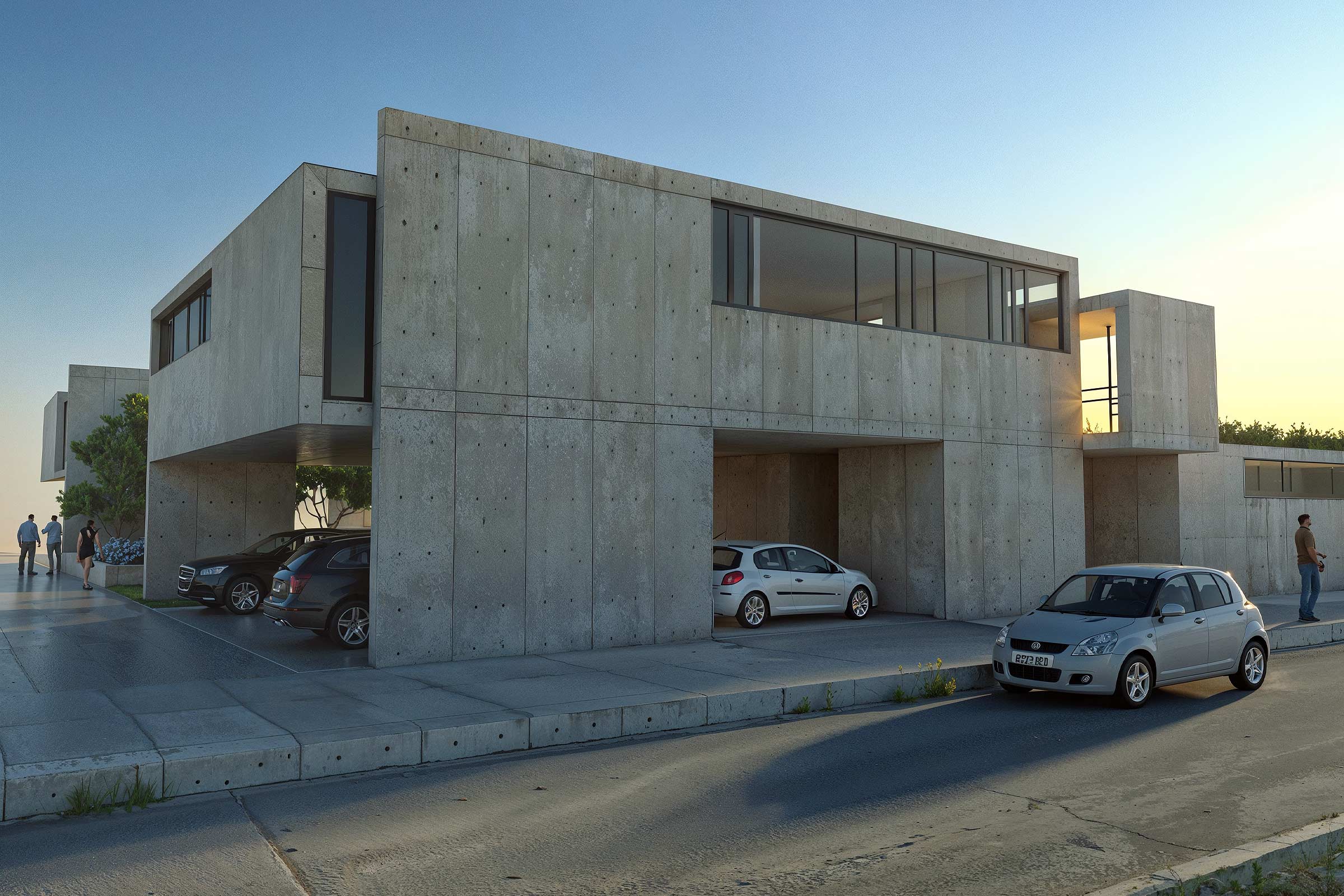
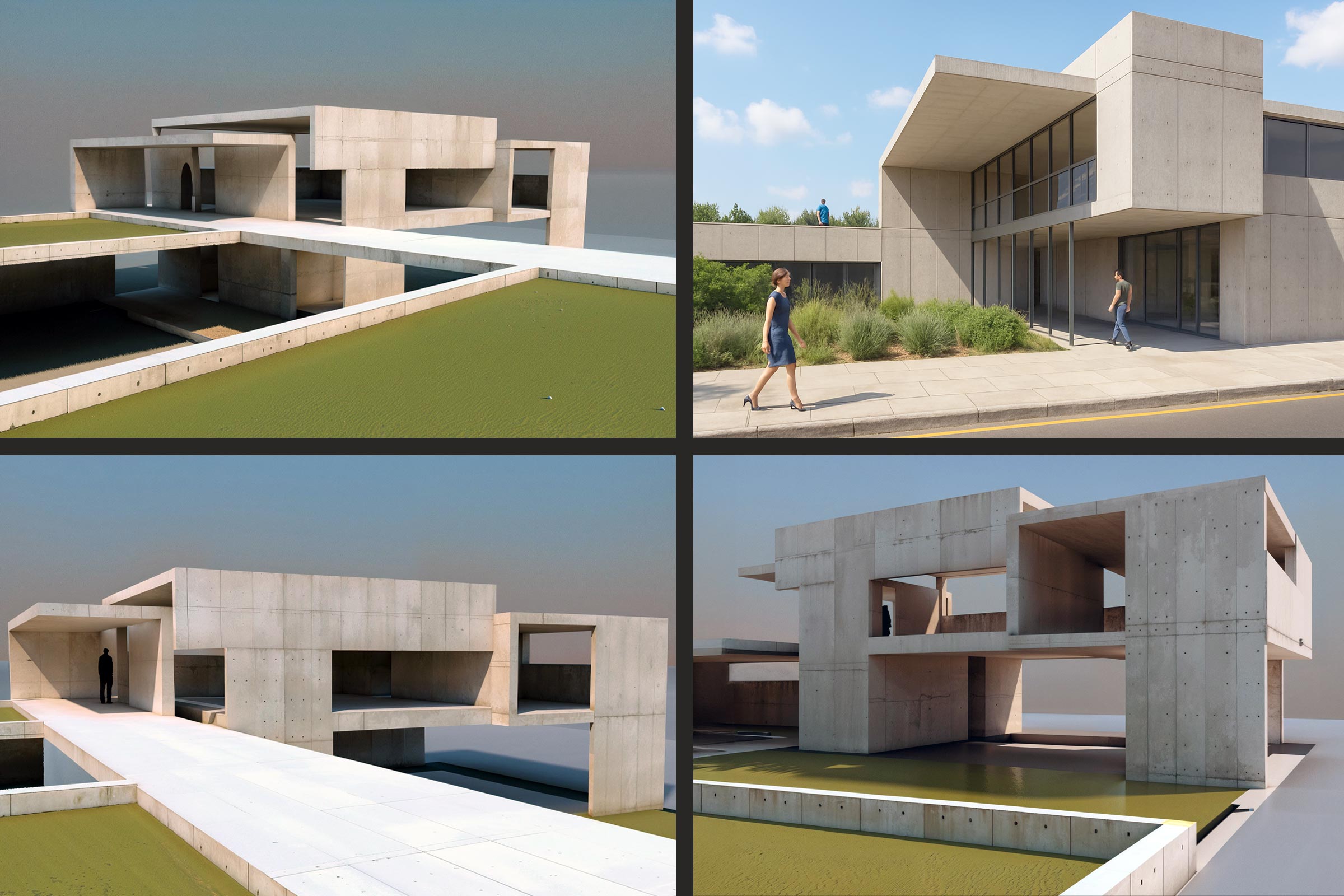
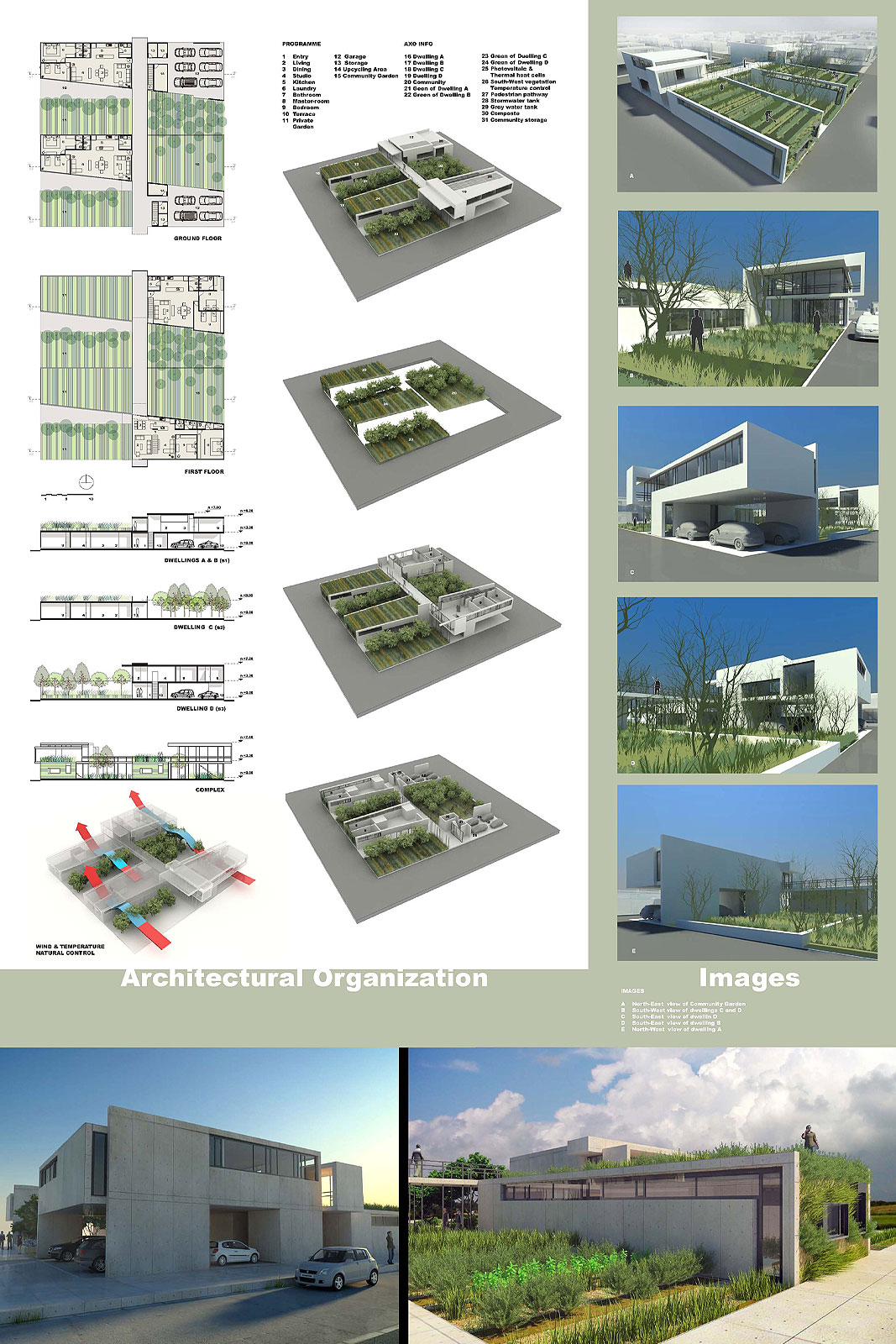
Our architectural gesture rethinks the geometrical relations that coexist on a common cultivated field, but we envision a variety of design expressions for each unit (four houses). In this way, we aim to foster diversity of identities.
The areas of construction/open space and the relationship of levels between dwellings will implement the urban design tactic of a self-replicating unit. We want to think of the unit as a piece of a puzzle that could fit in more than one place. An assemblage of units describes the final City Planted pattern. Local industries in Planted City could exploit opportunities in recreational and tourism areas, as well as in agricultural, food, and energy production. A new vision of the global responsibility of a “Garden City.”
Credits:
Design Architect: Paul Cremoux W.
Production: Paul Cremoux W.
Support: Adriana Monroy.
Location:
Tokio, Japan.