Staircrafted NYC

DESIGN DESCRIPTION

Suspended between sky and city, this penthouse interior reinterprets light and proportion as instruments of calm and refinement. The project transforms a once-generic double-height space into a coherent composition of crafted materials and spatial precision.

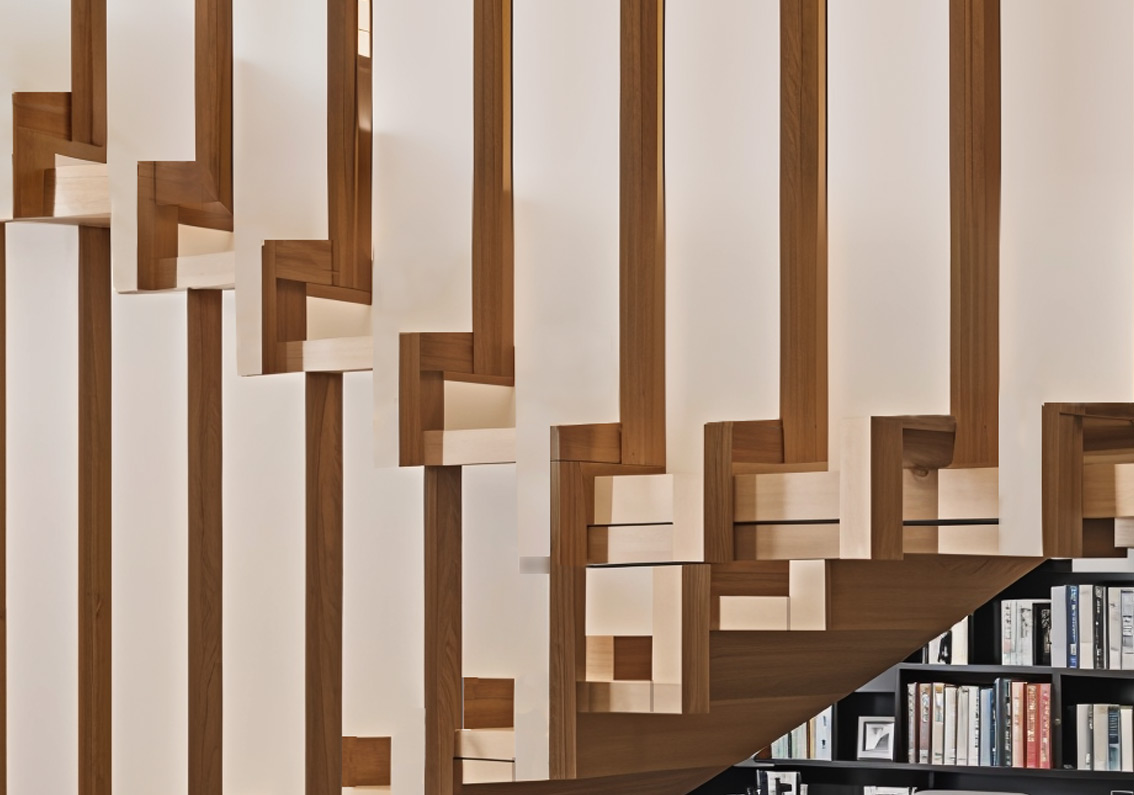
At its core, a timber stair anchors the design — a structural piece of furniture that becomes the main spatial element. Entirely suspended from the ceiling, it floats within the double-height space, with engineered steel tension members hidden inside the wood to ensure structural stability and lateral rigidity. The result is a crafted architectural element that functions simultaneously as sculpture and circulation, defining the character and atmosphere of the entire social space.

The project was developed in close collaboration with a client who envisioned a timber staircase — a person with a deep appreciation for fine carpentry and furniture design. Within the double-height space, a steel library structure defines the room, also serving as a two-level display for a curated collection of ceramic and glass pieces that anchors and enriches the living area.

Materiality is distilled to its essentials: wood, stone, and glass, working together in balance to create a restrained and welcoming atmosphere. Beyond pure aesthetics, the interior aims to convey a sense of permanence and clarity — a calm residence designed to host social gatherings, where space receives art and information in equilibrium with the pace of New York City.

Credits:
Design Architect:
PAUL CREMOUX studio

Design Principal:
Paul Cremoux W.
Client: Undisclosed
Location:
NYC.

Tolu Residence

DESIGN DESCRIPTION

YouTube Animation

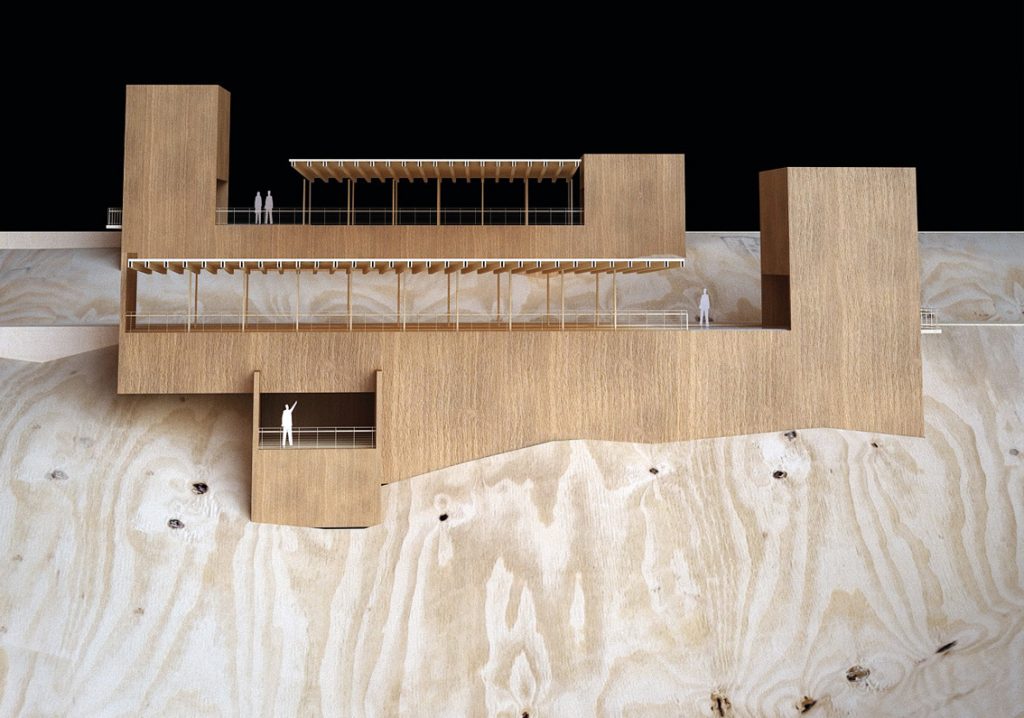
Located on the picturesque west side of Mexico City, Casa Tolu stands as a stunning family residence, beautifully nestled in a deep glen surrounded by an abundance of trees and endemic vegetation. This serene setting provides a peaceful retreat from bustling city life. We are experimenting with green concrete for a basement as part of our ongoing efforts to integrate sustainable practices. This innovative feature not only enhances the home’s structural integrity but also serves as a functional separator, delineating the upper living floor and access areas from the more private quarters below.

The elongated living room space is a testament to thoughtful design and environmental consciousness, crafted entirely from reclaimed wood. This material choice creates a warm, inviting ambiance, making it a perfect gathering space for family and friends. Furthermore, the social areas are ingeniously designed to transform into an open pavilion, thanks to a sophisticated sliding door system on both sides. When fully opened, these doors reveal breathtaking views of the surrounding property, seamlessly blending indoor and outdoor living. This unique design element not only maximizes the site’s natural beauty but also fosters a deep connection to the lush landscape that envelops Casa Tolu.

Credits
Design Architect:
Paul Cremoux W.
MEP / Structure:
Roberto Beltran ING.
Location:
Mexico City.

Dos Casas Nosara

DESCRIPCIÓN DE DISEÑO

YouTube Animation

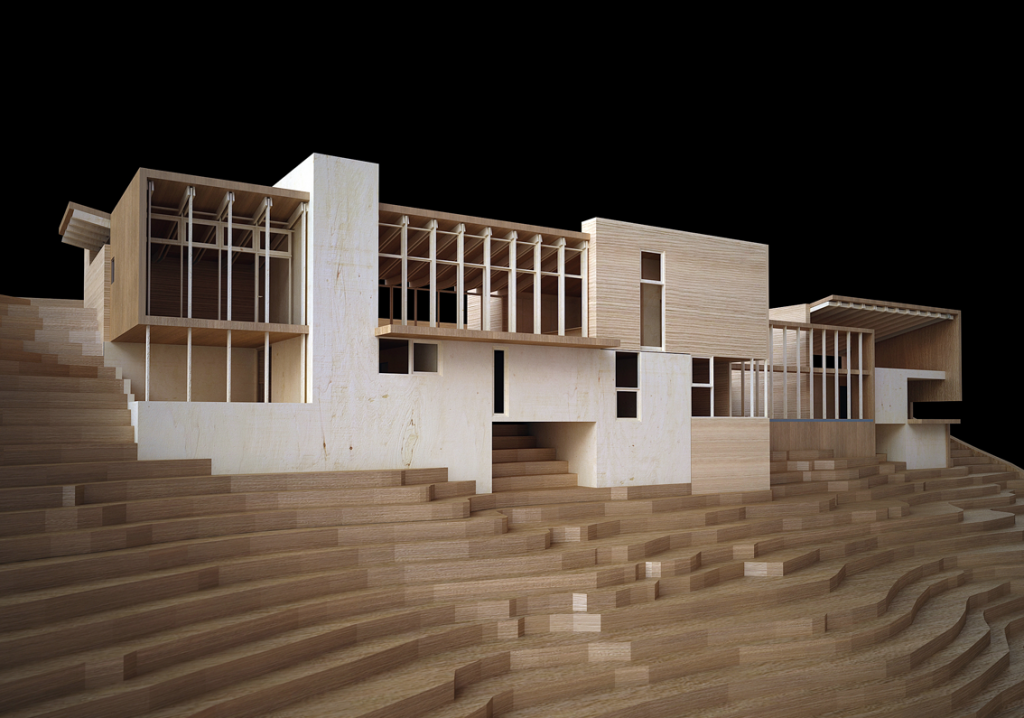
We have meticulously designed a primary structure that serves a dual purpose, acting as both a retaining wall to prevent potential landslides on the terrain and a foundational element of the residence. This innovative approach ensures the house’s stability and safety while seamlessly integrating it into the natural landscape.

On the access side, the houses are two elegant, simple pavilions constructed with a sophisticated modular wooden structure. This design choice not only enhances the aesthetic appeal but also allows for a harmonious blend with the surrounding environment. The modular wooden frames are not just a visual delight; they also feature advanced mechanical panels that function as hurricane shutters. These panels can be easily adjusted by users, offering flexible control over ventilation and interior lighting, thereby enhancing the comfort and energy efficiency of living spaces.

On the opposite side, the houses are perceived as two imposing concrete volumes, creating a striking contrast with the wooden pavilions. This duality in design highlights the structure’s versatility and adaptability, catering to both aesthetic and functional requirements. The concrete volumes provide a sense of solidity and permanence, while the wooden pavilions offer a warm and inviting atmosphere.

This architectural strategy addresses the terrain’s practical needs while elevating the overall living experience, combining safety, sustainability, and beauty in a cohesive, thoughtful design.

Credits
Design Architect:
Paul Cremoux W.
Project Team:
Structural Engineering:
Ing. Rodolfo Salmón
MEP Engineering:
CIE Arq. V. Hugo Juárez Romano
Site studies:
Ing. Enrique Tovar G.
Location:
Nosara, Costa Rica.

Nirau House

DESIGN DESCRIPTION

 YouTube Animation

The project foresees the opportunity to use reinterpretation as a consistent creative tool. The new construction relates to history and accustomed living behavior patterns by mimicking an orientation strategy and an elementary functional diagram. Open space allows direct sunlight to enter from the south side; the east and the west side are offset inner plots, so the only north side is at the property line. The idea is to transition from a 2,754 sq. ft. old-construction building to a 1,937 sq. ft. new-construction building, with the same program but with roughly different space-quality experiences.

Weather analysis helps us determine various vital features: Mexico City’s climate plays a critical role, as 70% of the year’s days are suitable for outdoor living. The main living-dining area can be completely open to the decked terrace, making the relatively small indoor space larger. The deck floor transforms into the façade; this is the patio elevation that will be enjoyed most of the time.

The roof collects all rainwater, then passes through two primary carbon-activated filters, becoming drinking water, so there is almost no reliance on the grid for water. Using our performance-based design procedure, we estimate a monthly maintenance cost of $15 USD (electricity and natural gas included). We worked with Green Building Studio and Sefaira metrics to achieve energy savings and the 2030 challenge (yet to be performance-proven).

Credits.
Design Architect:
Paul Cremoux W.
Project Team:

Structural Engineering:
Arch. Ricardo Camacho
MEP Engineering, Sustainability Consultant, and vertical garden:
Ing. José Antonio Lino Mina, DIA.
General Contractor:
ARCO Arquitectura Contemporánea
and 
PAUL CREMOUX studio.
Photos by:
PCW.

Paris Pharmacy

DESIGN DESCRIPTION

Farmacia París, a business that has operated in the Historic Center of Mexico City for more than 75 years, has asked us to design and develop a new identity for its retail spaces. This request has allowed us to revitalize an institution that has been a cornerstone in the community, breathing new life into it while respecting and honoring its rich history.

We have unveiled a design inspired by the primary idea of the old “Botica,” evoking the memory of this family business’s founding days and its human, personalized spirit. This nostalgic approach not only celebrates Farmacia París’s legacy but also creates a bridge to future generations, keeping alive the essence of personalized service and human connection that has always characterized the pharmacy.

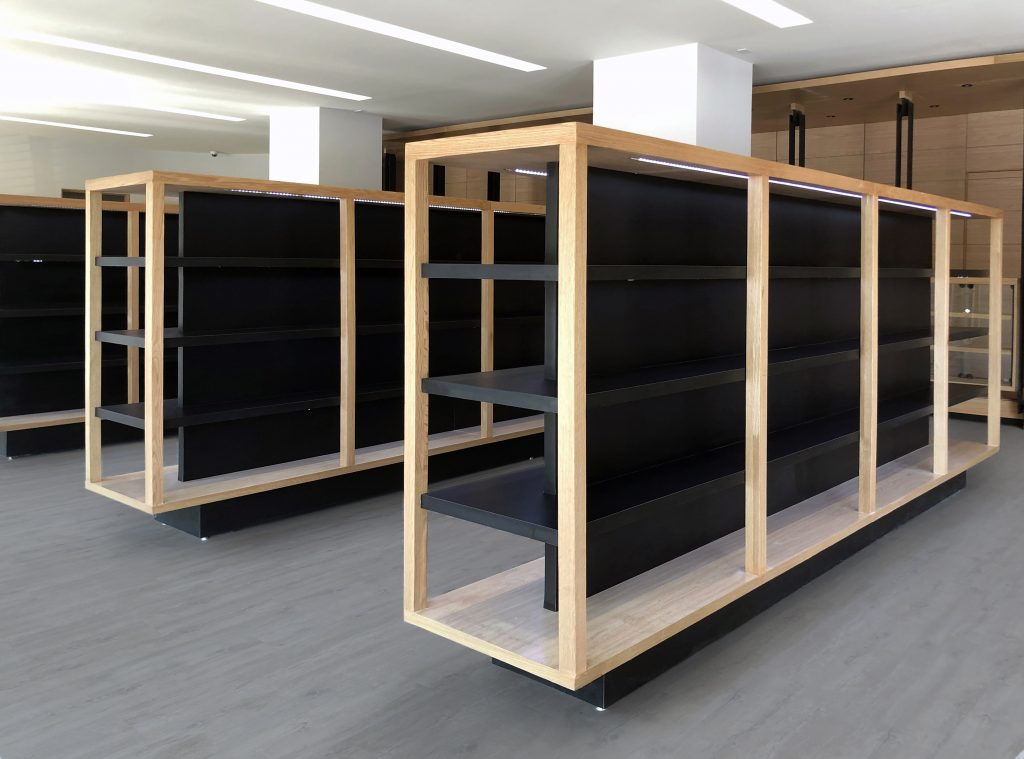
Person-to-person contact and direct product reachability are parameters of paramount interest for the new brand. This approach ensures that customers continue to experience the attentive and personal service that has been the cornerstone of Farmacia Paris’s success for decades. Our initial design is a foundational proposal that will guide all future retail spaces, ensuring visual and experiential coherence at every customer touchpoint.

Additionally, the new design incorporates modern elements that facilitate a more efficient and pleasant shopping experience without sacrificing the traditional touch that customers value. The layout of products, signage, and materials used in the interior design has been carefully selected to reflect a blend of tradition and modernity. Every aspect of the design has been thoughtfully considered to enhance accessibility and direct interaction with the products, allowing customers to explore and select with ease.

In summary, the redesign of Farmacia París’s retail spaces aims to celebrate its legacy while adapting to contemporary needs, creating an environment that is both familiar and innovative. This balance between the old and the new will ensure that Farmacia París remains a reference point in the community, offering exceptional service and a unique shopping experience to its customers for many more years to come.


Credits:
Design Architect:
Paul Cremoux.
MEP: Uribe Ingenieros, Germán Hernández.
Client: Farmacia Paris.

MarOje Residence

DESIGN DESCRIPTION

YouTube Animation

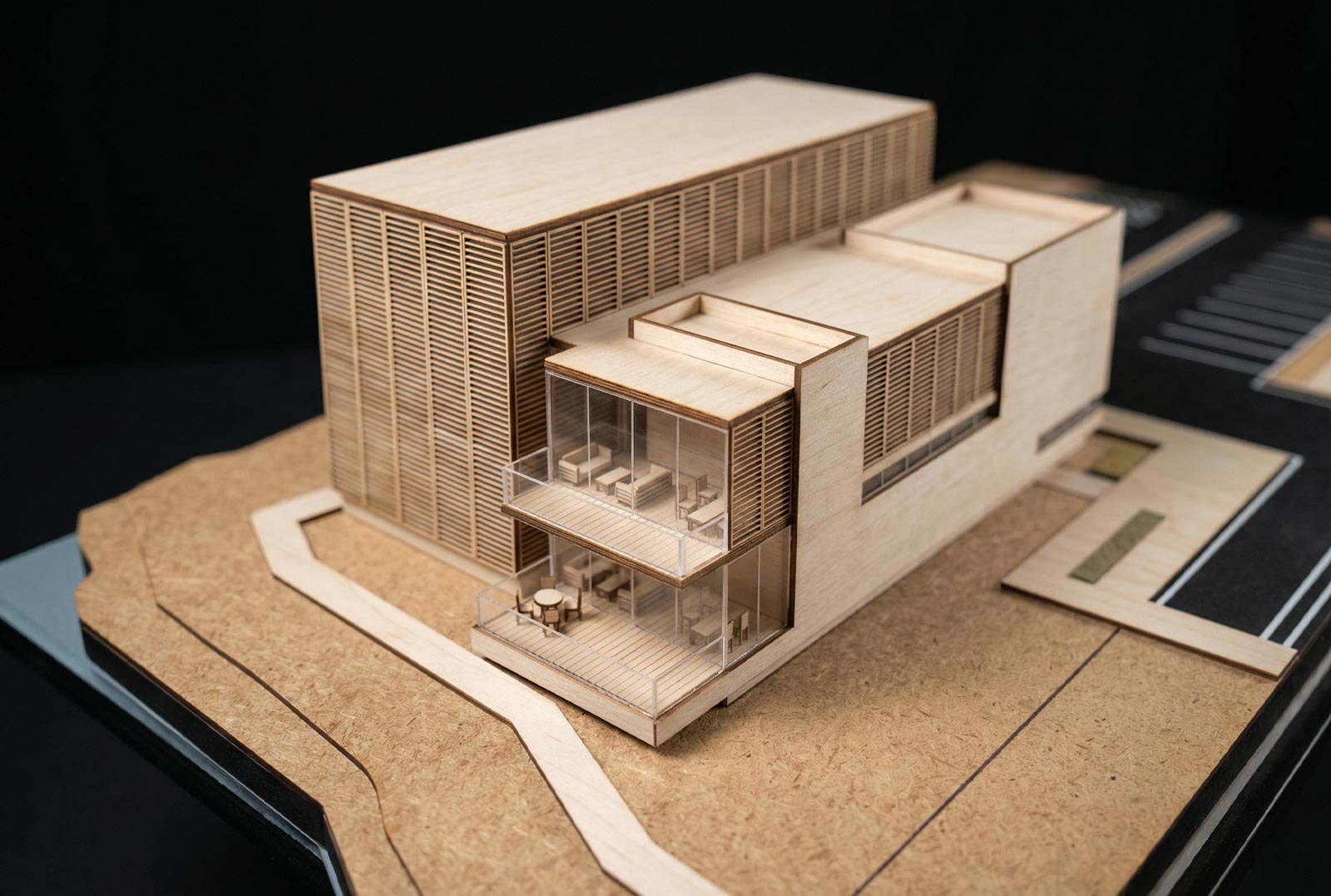
On a flat 10,763 sq ft site, a sober composition of white concrete volumes and bamboo-flush panels is strategically arranged to house the main programmatic spaces. Two defining requests from the client — a parking capacity for nine vehicles and the incorporation of an interior climbing wall — decisively shaped the architectural concept and spatial organization, guiding both the massing and the internal structure of the house.

The straight, slender geometry of the three distinct cubic bodies configures a clear, legible system that reveals its constructive logic while establishing order and proportion at the urban and domestic scales. Each volume responds to a specific set of functions, creating a harmonious sequence throughout the residence.

The program includes three bedrooms — the main one with a walk-in closet, a service room, generous dining and kitchen areas, a study, a TV room, and a playroom with the required height to accommodate the interior climbing wall. Complementary spaces include two garden-area bathrooms, multiple storage areas, mechanical service zones, and the specifically planned parking layout for nine automobiles, which becomes a key structural axis of the overall design.

Credits:
Design Architect:
Paul Cremoux W.
Project Team:
Structural Engineering:
PBS Ingenieros Ing. Rodolfo Salmón.
MEP Engineering:
CIE Arq. V. Hugo Juárez Romero.
Gross internal area:
6,899 sqft
Gross floor area:
15,123 sqft
Location:
Mexico City.

Huizache House

DESIGN DESCRIPTION

YouTube Animation

The house and studio of a visual artist and his fiancée were designed with various themes in mind, such as the physical context, client needs, security, and a limited budget.

Six options were analyzed during the schematic design stage to control wind from the northeast, sunlight, light quality, cost, energy use, and specific operating expenses. By using design performance tools and technologies such as Fluid Dynamics, Energy Consumption Analysis, Material Life Cycle Assessment, and Climate Analysis, sustainable strategies were identified. The building is self-sufficient and will provide the site with an aquifer recharge that does not currently exist.

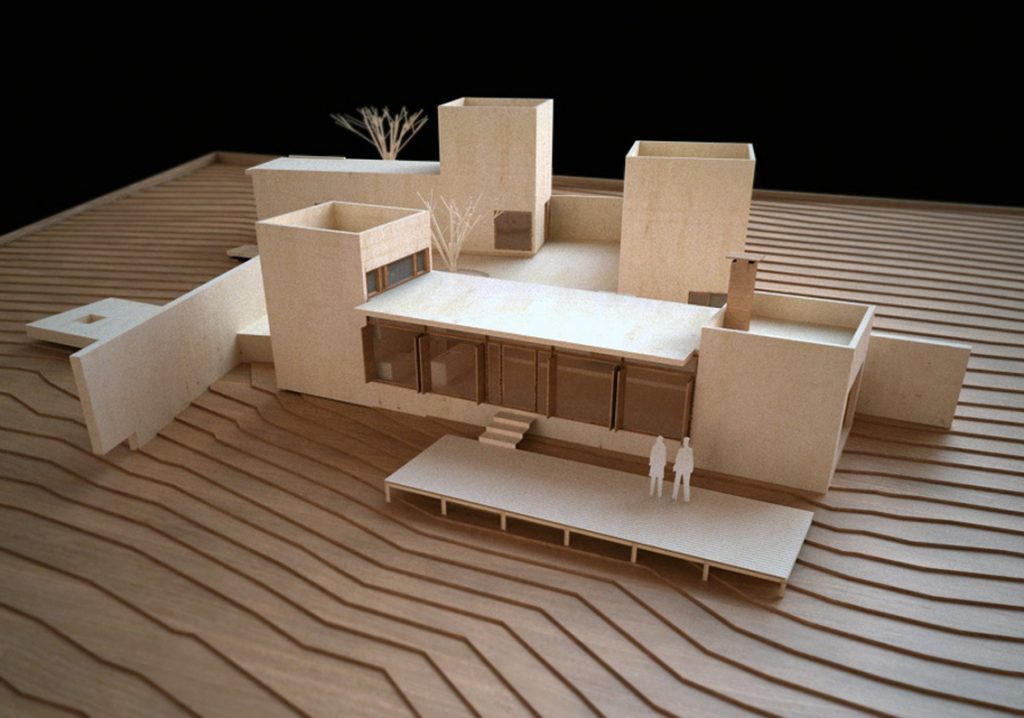
The main masses are distributed around a courtyard, creating a moderately open construction towards the interior and a closed one towards the outside. The courtyard contains a Huizache tree, surrounded by a water mirror that refreshes and serves as a central feature.

The house comprises three main volumes, each oriented at a different angle to highlight distinct views in each area. The patio is the primary circulation strategy, providing a refuge from the wind, a connection to the sky, and a night-sky observatory. We aim to establish a deep relationship with the site by incorporating the patio’s open space.

Credits:
Design Architect:
Paul Cremoux W.
Project Team:
Structural Engineering:
PBS Ingenieros Ing. Rodolfo Salmón.
MEP Engineering:
CIE Arq. V. Hugo Juárez Romero.
Gross internal area: 3,143.06 sqft
Gross floor area: 7,559.3 sqft
Location:
Guanajuato, San Miguel de Allende.

CorManca House

DESIGN DESCRIPTION

YouTube Animation 1
YouTube Animation 2

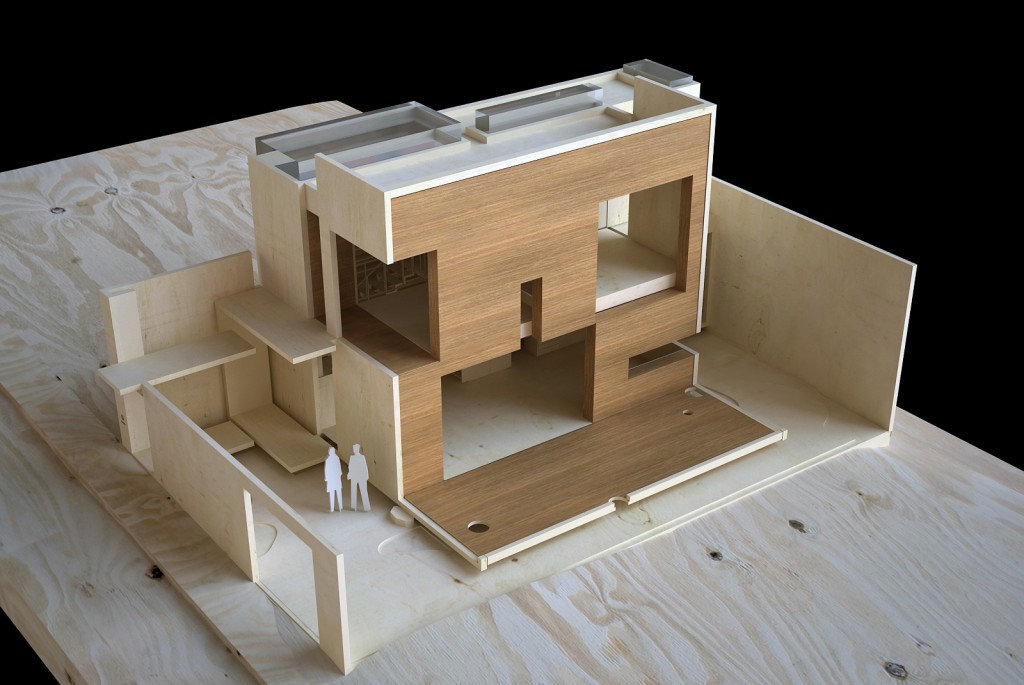
2012-2013. On 12 12-meter by 13-meter (39ft by 42ft) plot of land, a monolithic volume is transformed to attain luminous indoor spaces. The slate stone on the exterior facades contrasts with the soft, beach-like wood finish, creating strong definition and a sense of space.

Built on a small plot of land measuring 127 m2 (1367 sq ft), the construction rises, looking south, to the vertical vegetation garden wall. It is a three-story-high assembly, with the main terrace on the second level, followed by a small lecture studio. This area is intended to transform the notion of an “open patio garden radically.” Since there is no space for a ground courtyard, the main terrace serves as a defining social space. Recyclable content materials, VOC-free paint, and cross-ventilation are widely used, and passive energy-temperature control strategies are built into the core design.

Three heat-exhaustion chimneys serve as the primary devices for controlling high temperatures in bedroom areas.
The vertical garden is a major contributor to air quality and humidity. Where there was no plant before, we have planted over 4,000.

Vertical gardens absorb 187kg of CO2 per year, Green Rooftop Gardens 80kg of CO2 per year, vs. Heat Island Effect TOTAL CO2 absorbed per year 267 kilograms. We want to think of vegetation not only as a practical device for controlling temperature and humidity or as a beautiful, energetic view, but also as an element that serves as a light curtain, creating the idea of a theatrical, dramatic plane, where more space is found at the back.

Credits:
Design Architect: Paul Cremoux W.
Project Team:
Anna Giribets Martin.

Structural Engineering:

Rogelio Carmona.
MEP Engineering, Sustainability Consultant, and Vertical Garden:
Ing. José Antonio Lino Mina, DIA.
General Contractor:
Alfredo Galván,
Photos:
Héctor Armanado Herrera and PCW.
Location:
Mexico City.

La Caracola Beach House

DESIGN DESCRIPTION

YouTube Animation

This house is located on the Pacific Ocean, nestled amid the lush surroundings of Tres Vidas Golf Course. The architectural design presents a series of boxes, each offering unique and breathtaking views of the ocean and the golf course. At the heart of the house lies an expansive open central space that seamlessly connects the ground-level deck with the swimming pool area, fostering a fluid transition between indoor and outdoor living. This design choice effectively dissolves the boundary between the private plot and the golf course, creating an uninterrupted landscape view that blends harmoniously with the rolling greens.

The landscape design further enhances the aesthetic appeal, featuring a meticulous grid of transversal lines that frame the construction and create a striking effect of vegetation planes. These lines not only add visual interest but also integrate the house into its natural surroundings. The Master bedroom stands out as a unique architectural element—an elevated structural concrete tube supported by two rectangular column points, forming an open space that serves as an observatory deck. This elevated position offers panoramic views, providing a serene retreat with a sense of lofty seclusion.

To address the challenges of heat and humidity, shadow areas have been thoughtfully incorporated into the design. These shaded areas provide cool, comfortable places to relax, ensuring the outdoor environment is as inviting as the interior. The pool area is a highlight of the property, featuring ceramic tiles meticulously designed by Architect Greta Hauser. These tiles transform the pool area into a cohesive plane or rug, adding a layer of poetic beauty to the landscape and recreational space. The carefully chosen materials and design elements create a tranquil and luxurious atmosphere, making the house a perfect blend of modern elegance and natural harmony.

Credits:
Design Architect: Paul Cremoux W.
Project Manager:
José Ignacio Echeverría
.
Pool pattern design:
Greta Hauser
.
Special Design Furniture:
Greta Hauser.

Location:
Tres Vidas Golf Course, Guerrero, México.

Gross area:
540m2 5,812 sq. ft.

Owner:
Privet or on demand.
Status:
Built

Photos:
PCW and Roberto Beltrán.

Red House

DESIGN DESCRIPTION

YouTube Animation

The building’s design consists of two distinct private areas for functional use, with a social, public space connecting them. Using formal structures and materials ensures that the building blends into the historic neighborhood of San Ángel in Mexico City. The building is oriented towards the west and south, which positions it in relation to the old adjacent house and provides scenic views of the forested area.

The new house was designed to incorporate the existing trees, which are crucial for regulating temperature and sunlight and for creating a microclimate. The central public area of the house is located between an entrance patio and the central garden, providing different views and natural ventilation.

The project emphasizes the use of materials and green technology systems. Red ceramics were chosen for a contemporary look while preserving the local context. The house’s interior is bright and straightforward, with certified wood wrapping around the dining area and extending to the upper family room. The upper garden is a public space with a hammock and a half-enclosed area where visitors can enjoy the view.

Credits:
Design Architect: Paul Cremoux
Adriana Monrroy

Project Team: Javier Salinas, Armando Bussey
Structural Engineering: Fernando Alvarez
MEP Engineering
:  JPR
Area: 574m² / 6178sqft.